


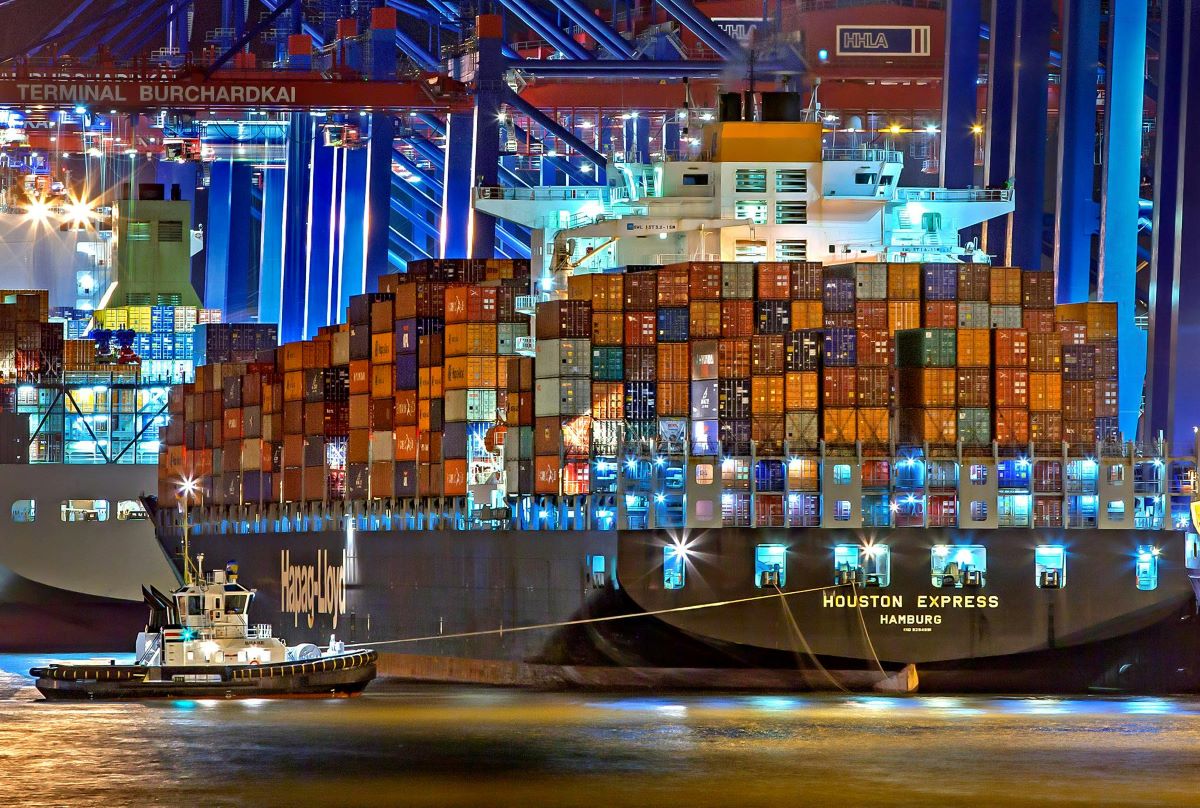
The global trade environment is undergoing a radical transformation driven by geopolitical tensions, political shifts, and economic reorganization. As countries redefine alliances and prioritize national interests, companies engaged in international trade are forced to rethink their export and import strategies. Ongoing disruptions from trade wars to regional conflicts have reshaped supply chains, changed tariff structures, and redefined how companies engage with global markets. In today’s unpredictable climate, flexibility and adaptability are essential to maintaining business stability.
Read also: Slowdown and geopolitical reorganization of trade: fragmentation or functional sovereignty?
The rise of protectionism and trade barriers
Over the past decade, protectionist policies have emerged in many economies as governments seek to protect domestic industries. Increased tariffs, import restrictions, and localization mandates have become common, forcing companies to reconsider their sourcing and export decisions. For example, trade tensions between the United States and China have led many companies to diversify their manufacturing bases to include Southeast Asian countries such as Vietnam and Indonesia.
These protectionist measures not only affect the cost of goods, but also disrupt long-established supply routes. Companies are now prioritizing “business flexibility” over cost efficiency, with a focus on reducing dependence on any single country or region. As a result, diversification and regionalization of business operations have become essential components of modern export and import strategies.
Regional alliances and emerging trade blocs
The formation of new regional trade agreements is another major factor affecting global trade. Agreements such as the Regional Comprehensive Economic Partnership (RCEP) and the African Continental Free Trade Area (AfCFTA) are creating new opportunities for trade integration and cooperation. These alliances help member countries reduce tariffs, encourage investment, and build collective economic power.
At the same time, geopolitical rivalries are driving the emergence of competing trading blocs. Countries are increasingly aligning their trade policies with their political allies, reshaping the global trade network. This shift is forcing exporters and importers to choose their markets strategically, improve routes, and evaluate regulatory compliance based on evolving regional partnerships.
Supply chain reshaping and near transportation trends
One of the most visible impacts of geopolitical shifts is the restructuring of global supply chains. Events such as the Russia-Ukraine conflict and tensions in the South China Sea have exposed weaknesses in international logistics and dependence on raw materials. Firms respond by adopting “nearshift” and “friendsshifting” strategies by moving production closer to home or to countries that are politically stable and have strong diplomatic relations.
This approach not only reduces geopolitical risks, but also enhances supply chain visibility and responsiveness. For example, European companies are increasingly sourcing components from Eastern Europe, while American companies are expanding manufacturing operations in Mexico. These reorganizations highlight the increasing importance of agility and flexibility in business planning.
Technological and political adaptation in trade
As geopolitical uncertainty increases, technology and political innovation are helping companies adapt. Digital commerce platforms, AI-based analytics, and Blockchain technology Existing traceability systems enable better risk assessment and transparency in cross-border operations. Governments are also modernizing customs processes and introducing trade facilitation measures to support safe and efficient transactions.
Moreover, environmental and security policies shape trade priorities. The global shift towards sustainable trade practices such as carbon-neutral shipping and green supply chains is impacting import and export regulations. Companies that align their strategies with these emerging standards gain a competitive advantage while ensuring long-term compliance with evolving global standards.
India’s position in the changing trading environment
India has emerged as an important player in the evolving global trading ecosystem. The ‘Make in India’ and ‘Aatmanirbhar Bharat’ initiatives aim to boost domestic manufacturing and reduce dependence on imports. At the same time, India is actively engaging in new trade partnerships to expand export opportunities in Asia, Africa and Europe.
Geopolitical shifts have also positioned India as an attractive alternative to China in global supply chains. With its growing infrastructure and skilled workforce, India has become a major manufacturing and export hub. However, to maintain this momentum, the country must continue to improve logistics, ensure policy stability, and build stronger bilateral trade relations.
conclusion
Geopolitical shifts are reshaping global trade dynamics at an unprecedented pace. Exporters and importers must now balance risk management, cost efficiency, and compliance while responding to volatile international relations. The future of global trade will depend on how effectively companies adapt to regional alliances, diversify their supply chains, and leverage technology to remain competitive.
In an era of uncertainty, flexibility and strategic foresight are no longer optional, but rather vital tools for thriving in a complex world of global export and import operations.