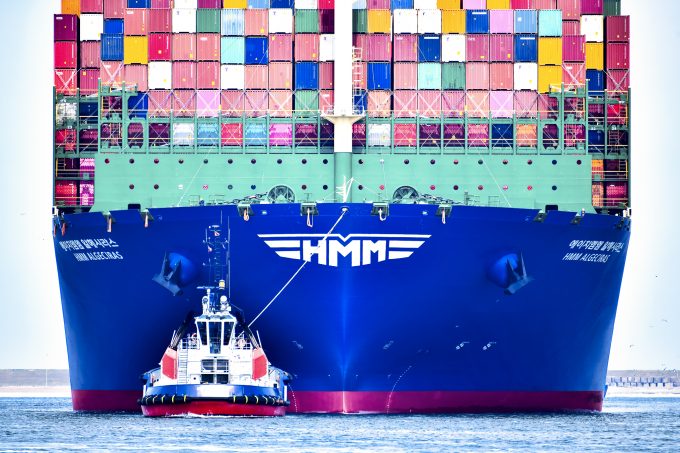





Global trade has always been a key driver of economic growth, connecting countries and enabling access to goods, services and innovation. However, in recent years, technology has become the most powerful force changing how international trade works. from Digital payments From supply chain automation to artificial intelligence and blockchain, technology is redefining efficiency, transparency and competitiveness in global markets. This digital transformation is not only modernizing traditional trading systems, but is fundamentally reshaping how businesses interact across borders.
Read also: Global trade: the path to economic prosperity
The emergence of digital commerce platforms
One of the most important technological developments in global trade is the growth of digital commerce platforms. These platforms allow exporters, importers and logistics service providers to connect seamlessly, reducing the time and cost associated with traditional paper-heavy processes. Cloud platforms now manage everything from customs documentation to payment settlements, providing a transparent and secure trading environment.
E-commerce has also emerged as a major driver of international trade. Businesses of all sizes, including small and medium enterprises, can now reach global customers through digital marketplaces. Platforms like Alibaba, Amazon Global, and Shopify have made cross-border commerce easier and more efficient, enabling even smaller brands to compete globally.
Automation and artificial intelligence to transform supply chains
The integration of automation and artificial intelligence (AI) is another trend revolutionizing logistics and business operations. AI algorithms can forecast demand, optimize shipping routes, and identify risks before they disrupt supply chains. Automated warehouses and automated systems also ensure faster and more accurate order fulfillment.
For example, it relies on artificial intelligence Predictive analytics It helps companies adapt to global market fluctuations by identifying shifts in consumer demand or availability of raw materials. This results in less waste, lower costs, and improved delivery timelines. As international markets become more interconnected, such predictive capabilities are critical to maintaining competitiveness and flexibility.
Blockchain promotes transparency and trust
Blockchain technology It has introduced a new level of trust and accountability in international trade. Traditionally, global transactions involve multiple intermediaries, which creates opportunities for errors and fraud. The decentralized nature of Blockchain ensures that every transaction is recorded in a tamper-proof ledger, providing verifiable proof of the origin, ownership and movement of goods.
This technology also streamlines processes such as verifying trade finance documents, ensuring authenticity of product sources, and maintaining transparent records of supply chain activities. Many countries are now experimenting with blockchain-based trade authentication systems that eliminate the need for physical paperwork and reduce disputes. As this technology matures, it is expected to become a cornerstone of global trade management.
The impact of data and analytics on business decisions
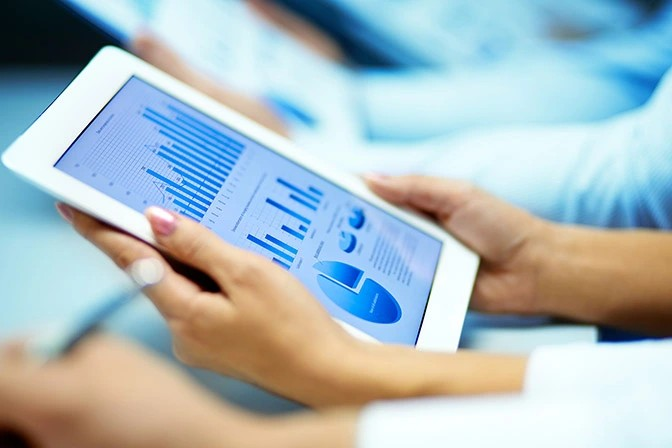
Data analytics has become a key enabler of smarter trading strategies. Businesses can now access real-time data on tariffs, demand trends and market performance across different regions. This allows exporters and importers to make informed decisions and identify the most profitable trade routes or opportunities in emerging markets.
Governments also use trade data to improve policy decisions, enhance customs efficiency, and promote fair trade practices. The use of big data and predictive models ensures that global trade decisions are driven by accurate insights rather than assumptions, leading to more stable and efficient international trade.
Sustainability and green business innovations
Technology not only improves efficiency, it also makes global trade more sustainable. Innovations such as digital tracking systems and carbon emissions analyzes help companies monitor their environmental footprint. Green logistics solutions, including improved roads and electric transport fleets, are being adopted to reduce the environmental impact of international shipping.
Furthermore, digital certification platforms now verify sustainable sourcing practices, giving environmentally responsible companies a competitive advantage. As global consumers become more environmentally conscious, sustainability has become an integral part of commerce technology strategies.
conclusion
The global trade landscape is undergoing rapid transformation, driven by advances in digital technology, automation, blockchain, and data analytics. These innovations streamline processes, reduce barriers, and enhance transparency across international markets.
In the coming years, the merging of technology and trade will continue to create new opportunities for companies and countries alike. Companies that embrace these emerging trends will not only enhance efficiency and trust, but will also secure a stronger foothold in the increasingly digital global economy. The future of trade is not just about the exchange of goods, but about the exchange of information, innovation and cooperation on a global scale.