


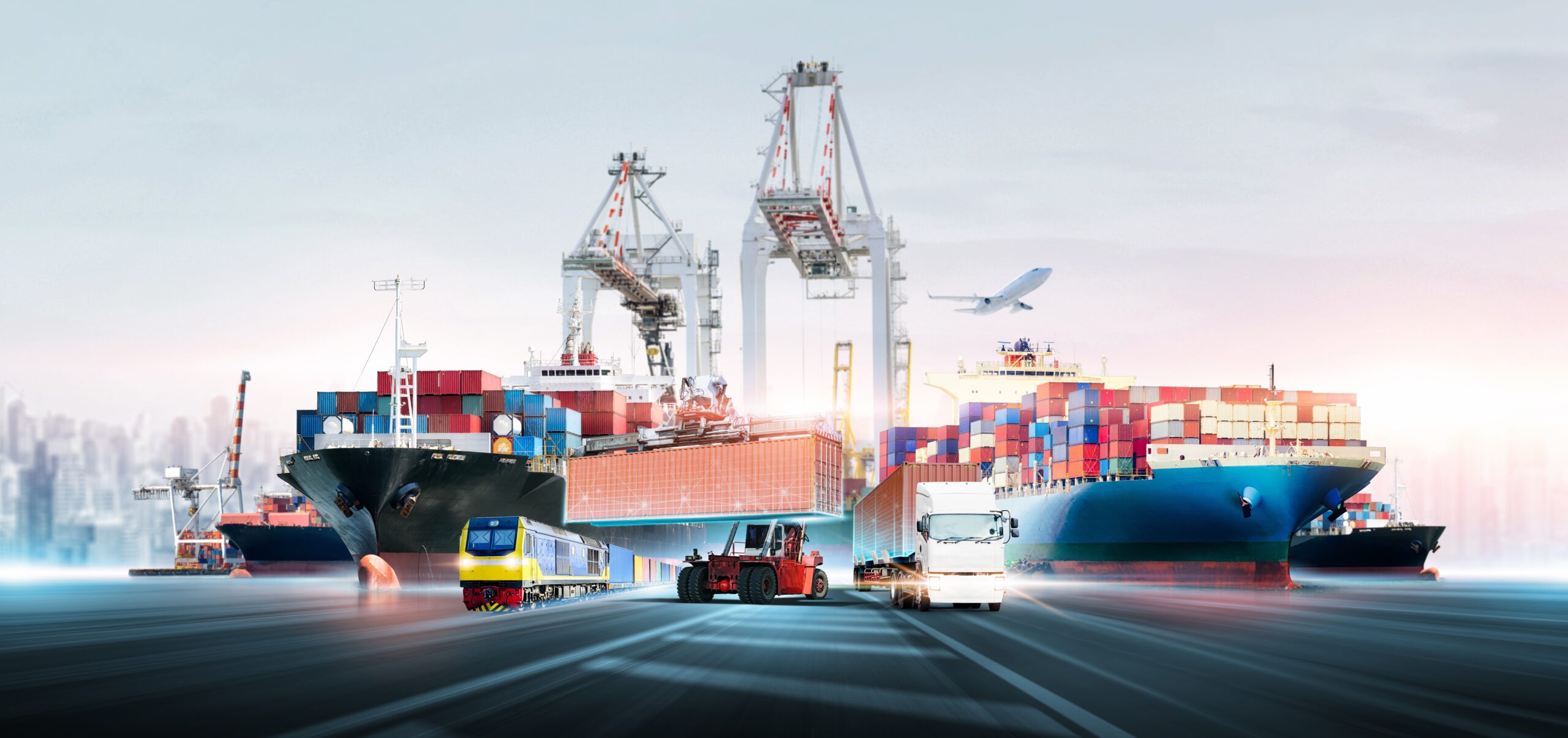
As we look to 2026, the global supply chain is entering a chapter defined by relative stability but underscored by continuing uncertainty. After years of pandemic-induced instability and inflationary pressures, throughput rates across major modes of transportation have shown less significant fluctuations. However, this improvement does not guarantee the absence of fluctuations or complete smooth sailing. Structural forces – tariffs, trade policy, and geopolitical turmoil – will continue to shape how goods move around the world.
Read also: Emerging trends in global trade: How technology is reshaping international markets
Sea shipping: stability with caveats
Ocean shipping remains the backbone of global trade, and in 2026, we expect supply to outpace demand as 1.5 million TEUs are set to join the global fleet. Normally, this means lower interest rates, but the picture is more complex. Ongoing diversions around the Suez Canal and congestion at Asian and European ports have temporarily tightened capacity, resulting in increased transit times and operational inefficiencies that are likely to persist into next year. Keep in mind that if ships return to shorter routes through the Suez Canal, the oversupply may become more apparent.
Additionally, as we have seen this year, ongoing changes in tariff and trade policies will likely continue to impact market demand and influence where shipping companies allocate their capacity, based on how new or changed tariffs are implemented.
For companies, this means planning for volatility even in a market that appears calmer on the surface. Flexibility in direction and procurement will be essential.
Air freight: E-commerce keeps demand strong
International air traffic By 5.1% on an annual basis With airlines in the Asia-Pacific region leading growth of 7.4% year-on-year. Air freight continues to benefit from the growth of global e-commerce, particularly outside the United States. However, regulatory changes – such as the removal of tariff exemptions for low-value shipments – have reshaped trade lanes. Airlines have already adjusted capacity in response, and while demand remains strong, these shifts could lead to more consolidation and convergence strategies in the new year, especially from retailers. For shippers, this is a reminder that agility matters: the ability to focus between modes and regions remains a competitive advantage.
Tariffs and trade policy: allowance
Perhaps the most important driver of uncertainty in global supply chains is trade policy. Recent US negotiations with China illustrate the continuing fluidity on this issue: the announced 100% tariffs were transformed into tariff reductions and a one-year suspension of maritime fines. Meanwhile, newly proposed Section 301 definitions, ongoing Section 232 investigations into certain commodities, and the Supreme Court case over IEEPA definitions highlight how quickly the landscape can change. For example, if the Supreme Court ruling on IEEPA tariffs results in a refund, importers will need actionable insights quickly, so tools like the US Customs Analytics Platform will be indispensable for seeing tariff data, helping to make refund strategies more achievable, and enabling smarter compliance.
This only concerns US tariffs. Evolving trade incentives around the world are driving transformations, such as India’s production-linked incentive program that continues to attract technology and auto manufacturers from the European Union, Japan and other countries. The network of trade agreements across Southeast Asian countries has also prompted some companies and manufacturers to rethink tariff improvement and compliance strategies.
Furthermore, sustainability policies are being modified, incl Emissions regulations under the EU Emissions Trading System (ETS)which has been gradually increasing since 2024. In the new year, any shipping companies operating operations to or from EU or European Economic Area (EEA) ports will be required to monitor, report and verify 100% greenhouse gas emissions.
All of these developments can impact sourcing decisions, cost structures, and even inventory strategies. Companies that monitor these shifts and build contingency plans will be better positioned to manage risks.
Flexibility as a strategy
In this environment, supply chain resilience is more than just a buzzword; It’s a competitive advantage. Shippers should focus on:
Conditional elasticity: Be prepared to shift between ocean, air and other modes, including exploring a range of sea, air and LCL consolidation strategies, as market conditions change. Don’t forget your customs, internal and warehousing strategy as well. Although these functions may be managed by different individuals within your organization, they collectively impact supply chain outcomes. Adopting a comprehensive approach – such as harmonizing customs clearance and compliance transportation planning for cross-border movements – can alleviate potential bottlenecks caused by paradigm shifts and facilitate smoother movement of goods across international borders.
Various sources: As tariffs and trade tensions continue to reshape sourcing patterns, alternatives in Southeast Asia, India, Mexico and Canada should be considered. Deliberate, gradual Source hierarchy Which serves as a framework for prioritizing geopolitical stability, business continuity and cost efficiency giving shippers the ability to make more strategic adjustments. Incorporating purchase order management technology into this approach helps maintain visibility and control across multiple suppliers and regions, reducing risk when pivoting sourcing strategies.
Technology Adoption: Leverage AI-based scenario planning and digital vision tools to anticipate disruptions and optimize costs. Even the most advanced shipping companies are slowed down by manual workflows and siled systems. We’ve seen first-hand how AI makes a difference. For example, we have Always-On Logistics Planner™, powered by our partners A fleet of over 30 AI agentshandles many of these processes faster and more reliably for shipping companies.
Risk Mapping: Proactively identify vulnerabilities, alternative routes and contingency plans for geopolitical or climate-related events. These events can be unexpected, but contingency plans in place can help minimize financial losses and operational delays.
The big picture
The year 2026 will not be defined by wild fluctuations, but by structural forces that require foresight and adaptability. Sea and air shipping, inland transportation, and customs will remain critical, tariffs will continue to shape trade flows, and geopolitical risks – from the Suez Canal to regional conflicts – will require proactive planning.
Our mission is clear: build supply chains that are not only efficient, but also resilient. Invest in vision, embrace innovation, and remain resilient in the face of change.