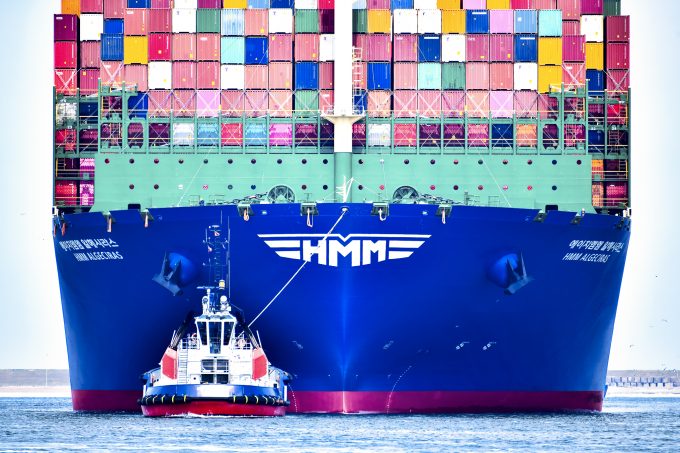





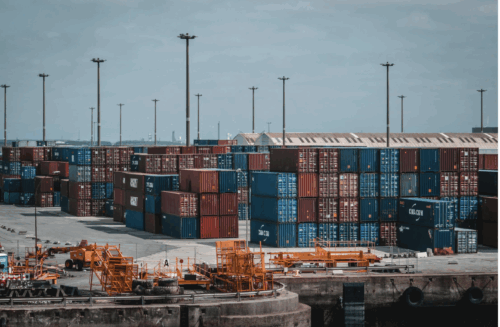
The nation’s major West Coast ports reported mixed cargo volumes in October, reflecting changing trade policies, high inventories and growing uncertainty heading into the end of 2025.
Read also: West Coast leaders warn of economic fallout from Trump’s tariffs hitting ports
The Port of Los Angeles handled 848,431 TEU in October — what CEO Gene Seroka called a “strong performance” given the ups and downs of this year. With 8.65 million TEU moved in the first 10 months, Los Angeles remains 2% ahead of last year and is within range of reaching 10 million TEU for only the third time in its history.
However, Seroka warned that volumes in November and December are likely to decline. The increase seen late last season – driven by importers racing to outpace potential tariffs – has not been repeated, as retail and manufacturing inventories are already well stocked. In October, LA loaded imports fell 7%, exports rose 1%, and empty cargo fell 8%.
Nearby, the Port of Long Beach reported a 14.9% decline in October volumes compared to 2024, when it recorded the strongest month in its 114-year history. The port handled 839,671 TEUs, with imports decreasing by 17.6% and exports by 11.5%. Despite this decline, Long Beach is still 4.1% ahead of last year on a year-to-date basis, with more than 8.2 million TEU moved.
Long Beach CEO Mario Cordero warned that consumers may soon feel the impact of higher tariff costs: “Manufacturers and retailers have absorbed some of the increases, but that may change as we head into 2026. Consumers will likely see higher prices in the coming months.”
National data echo this warning. Descartes Systems Group reported 2.31 million TEU of U.S. imports in October — down 0.1% from September and 7.5% below October 2024. Year-to-date imports are up just 0.9% from 2024 levels, well below the growth of about 10% at the start of the year.
China remained the largest source of US imports at 34.9%, recording a monthly gain of 5.4%, although still 16.3% lower year-on-year. Jackson Wood told Descartes that the October figures highlight the “ongoing geopolitical friction and regulatory volatility” shaping import decisions.
With the holiday season underway and what officials describe as the nation’s longest government shutdown still in effect, port leaders say supply chain coordination remains strong — but uncertainty still clouds the outlook.